
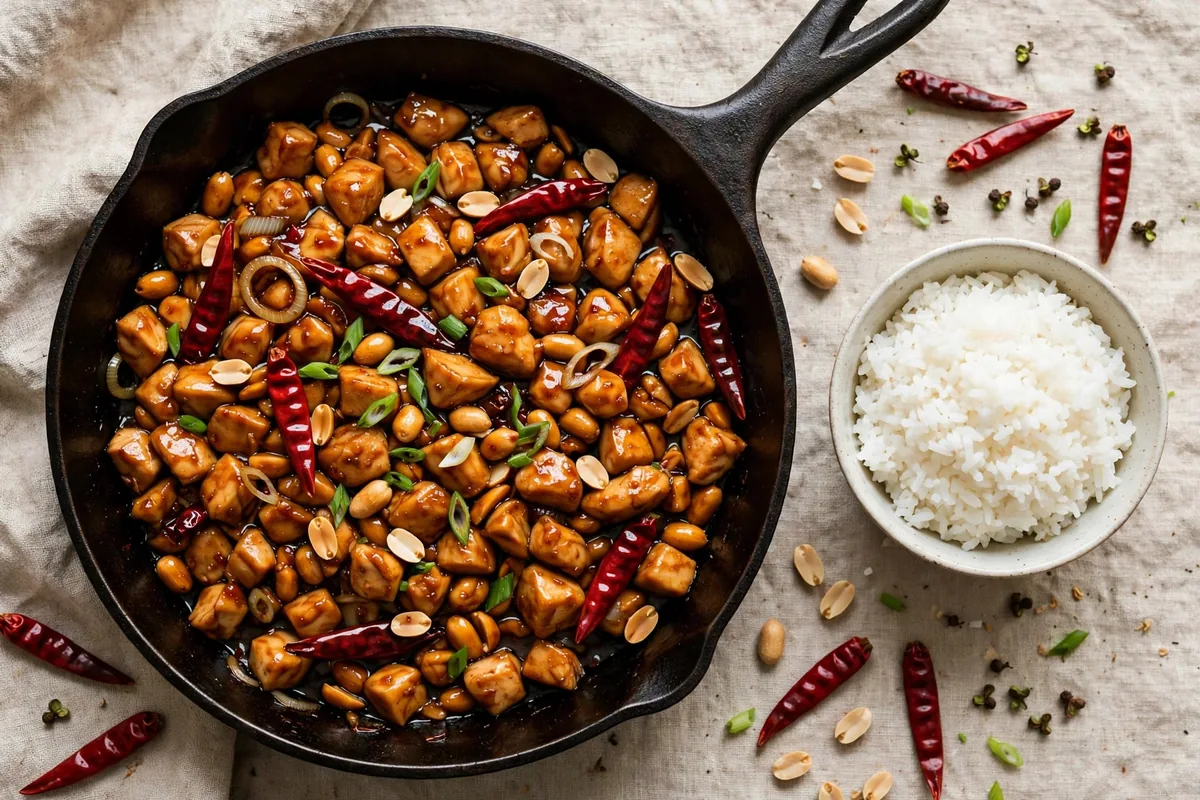
If you want a Chinese takeout favorite that tastes better at home, start here. This easy kung pao chicken recipe gives you tender chicken, a glossy sweet-savory sauce, crunchy peanuts, and just enough heat from dried chilies — all in one pan, in about half an hour.
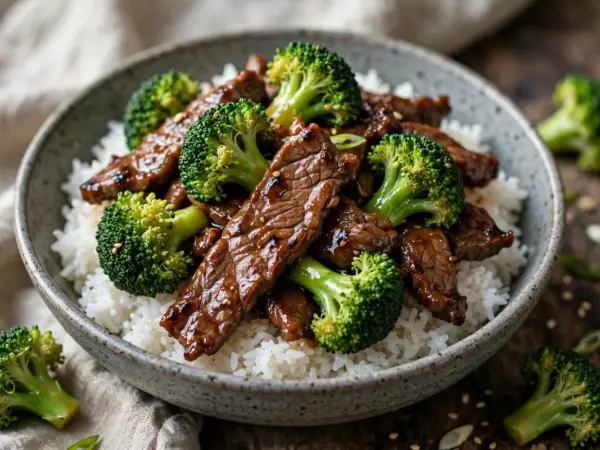
It is a practical weeknight Chinese dinner: the chicken marinates while you mix the sauce and chop the vegetables, and cooking takes only a few minutes. A large skillet works well; you do not need a wok. Serve it with steamed rice. If you enjoy quick stir-fries, try our Chinese Beef and Broccoli Stir-Fry too.
What makes it work is balance. Soy sauce brings salt and depth, rice vinegar adds brightness, a little sugar rounds it out, and dried chilies give warmth without overwhelming the chicken. Toasted peanuts add crunch, and scallions (spring onions) keep the finished dish fresh.
What is kung pao chicken?
Kung pao chicken is a Sichuan chicken stir fry built around diced chicken, peanuts, and dried red chilies in a savory, lightly sweet sauce. Its Sichuan form is known for heat, but the version most home cooks know is milder, with a glossy sauce that coats rather than drowns the chicken.
This recipe keeps that essential character — quick high-heat cooking, dried chilies, peanuts, and a balanced sauce — while letting you control the heat. Technique matters most: a hot pan, chicken in a single layer, and sauce added at the end so it thickens and clings to every piece.
Why you’ll love this recipe
- A takeout favorite that tastes better at home. Tender chicken, a glossy sweet-savory sauce, crunchy peanuts, and just enough heat from dried chilies — all in one pan, in about half an hour.
- Built for weeknights. The chicken marinates while you mix the sauce and chop the vegetables, and a large skillet works well; you do not need a wok.
- Balanced, adjustable flavor. Soy sauce brings salt and depth, rice vinegar adds brightness, and a little sugar rounds it out. Use 4 to 5 dried chilies for a milder version, or more chilies with some seeds for more heat.
- A regular weeknight rotation kind of recipe. Fast, flexible, and full of flavor, with a sauce you can adjust to your taste.
Ingredients you’ll need
Exact quantities are also given in the recipe card at the end of this article.
- Chicken: 1 1/2 lb (680 g) boneless, skinless chicken breasts or thighs, cut into 3/4-inch (2 cm) pieces. Thighs stay juicier and are more forgiving; either works if pieces are cut evenly.
- Marinade: soy sauce, Shaoxing wine, cornstarch, and sesame oil. Stir until the chicken is coated, then leave for 15 minutes.
- Kung pao sauce: soy sauce, rice vinegar, Shaoxing wine, hoisin sauce, brown sugar, cornstarch, and sesame oil. Stir again just before use, because cornstarch settles.
- Stir-fry: neutral oil such as sunflower, vegetable, or peanut oil; 8 to 10 dried red chilies, snipped in half with seeds shaken out for less heat; Sichuan peppercorns, lightly crushed (optional); garlic, finely grated fresh ginger, red bell pepper, and scallions with white and green parts separated; and 1/2 cup (75 g) roasted unsalted peanuts.
- To serve: steamed jasmine rice or plain long-grain rice.
How to make kung pao chicken
Step 1: Marinate the chicken
Combine the chicken with the soy sauce, Shaoxing wine, cornstarch, and sesame oil. Stir until coated and leave for 15 minutes. This short marinade helps the chicken stay tender.
Step 2: Mix the sauce
Whisk all the sauce ingredients together in a small bowl or jug, and stir again just before use, because cornstarch settles. Have the sauce ready before you start cooking — stir-frying moves fast once the pan is hot.
Step 3: Prepare the aromatics
Keep everything close to the stove: chilies, peppercorns if using, garlic, ginger, bell pepper, scallions, and peanuts. There is no time to chop once you start.
Step 4: Sear the chicken
Heat 1 tablespoon of oil in a large skillet or wok over high heat until it shimmers. Add the chicken in a single layer, leave it undisturbed for 2 minutes to brown, then stir and cook for 2 to 3 minutes more until cooked through. Chicken must reach 165°F (74°C) throughout, with no pink meat. Move it to a clean plate.
Step 5: Bloom the chilies and aromatics
Lower the heat to medium-high and add the remaining oil. Stir the dried chilies and Sichuan peppercorns for about 30 seconds until fragrant, not burnt. Add the garlic, ginger, bell pepper, and white parts of the scallions, and stir-fry for 1 to 2 minutes until the pepper is just tender.
Step 6: Sauce and finish
Return the chicken to the pan. Stir the sauce once more, pour it in, and toss for 1 to 2 minutes until it thickens and turns glossy. Stir in the peanuts and green parts of the scallions, toss once more, and serve immediately over steamed rice.
Tips for the best kung pao chicken
- Do not crowd the pan. Cook in two batches if your skillet is small; crowded chicken steams instead of browning.
- Get the pan hot first. The oil should shimmer before the chicken goes in.
- Sauce too thin? Stir it before pouring it in and let it bubble for a full minute. If still thin, mix 1 teaspoon of cornstarch with 1 tablespoon of cold water, stir it in, and cook for 30 seconds more.
- Sauce too thick? Add water, 1 tablespoon at a time, until glossy.
- Chilies burnt? Discard them and repeat that step at slightly lower heat; burnt chili makes the dish bitter.
- Chicken dry? Cut pieces evenly, check for 165°F (74°C), and remove the chicken as soon as it is done.
Substitutions and variations
- Chicken: Thighs stay juicier and are more forgiving. Either works if pieces are cut evenly.
- Shaoxing wine: Dry sherry is the closest substitute. For no alcohol, use water or stock, plus an extra teaspoon of rice vinegar.
- Soy sauce: For gluten-free cooking, use tamari or certified gluten-free soy sauce, and check that your hoisin is gluten-free.
- Hoisin sauce: Leave it out if needed and add 1 extra teaspoon of brown sugar.
- Dried chilies: Use 1/2 to 1 teaspoon of dried chili flakes instead, starting with the smaller amount.
- Peanuts: Use roasted cashews, or leave nuts out and add extra scallions and bell pepper.
- Gluten-free: Use tamari or certified gluten-free soy sauce and a certified gluten-free hoisin sauce, and check every label.
- Less spicy: Use 4 to 5 dried chilies, shake out all the seeds, and leave out the Sichuan peppercorns.
- Extra spicy: Use 12 to 14 dried chilies, keep some seeds in, and keep the Sichuan peppercorns.
- Vegetarian: Replace the chicken with 14 oz (400 g) extra-firm tofu, pressed and cubed, pan-fried until golden, then follow the recipe.
- Nut-free: Leave out the peanuts and add extra scallions and a second bell pepper.
What to serve with kung pao chicken
Serve it with steamed rice.
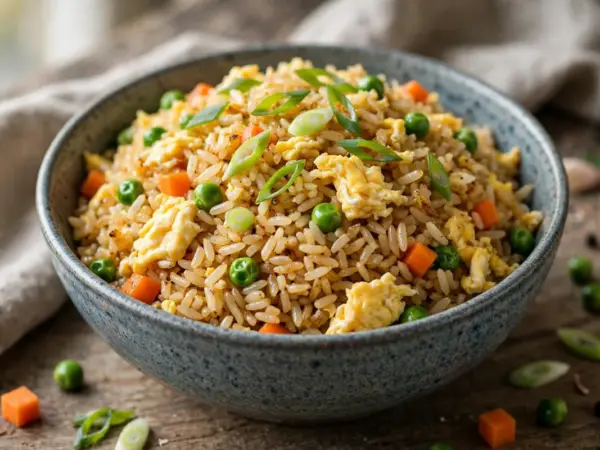
It is also excellent alongside Easy Chinese Egg Fried Rice.
And if you are building a weeknight Asian cooking routine, try the other recipes in this batch next: a beef and broccoli stir-fry, egg fried rice for leftover rice, and Korean beef bulgogi for a different kind of marinated, caramelized meat.
Storage, freezing, and reheating
- Refrigerate: Cool leftovers within 2 hours and store in an airtight container in the refrigerator for up to 3 to 4 days.
- Freeze: Cooked kung pao chicken can be frozen for up to 2 months, although peanuts will soften and bell pepper will be less crisp after thawing. Thaw overnight in the refrigerator.
- Reheat: Warm in a skillet over medium heat with a splash of water until steaming hot throughout, or microwave covered in short bursts, stirring between bursts. Do not reheat more than once, and do not leave cooked chicken at room temperature for more than 2 hours.
Final thoughts
This is the kind of recipe that earns a regular place in a weeknight rotation: fast, flexible, and full of flavor, with a sauce you can adjust to your taste. Once you have made it once, change one thing at a time — more chilies, thighs instead of breasts, or cashews instead of peanuts — to find the version your household likes best.
If you make it, leave a rating and tell us what heat level you chose.

Leave a review